



Early life
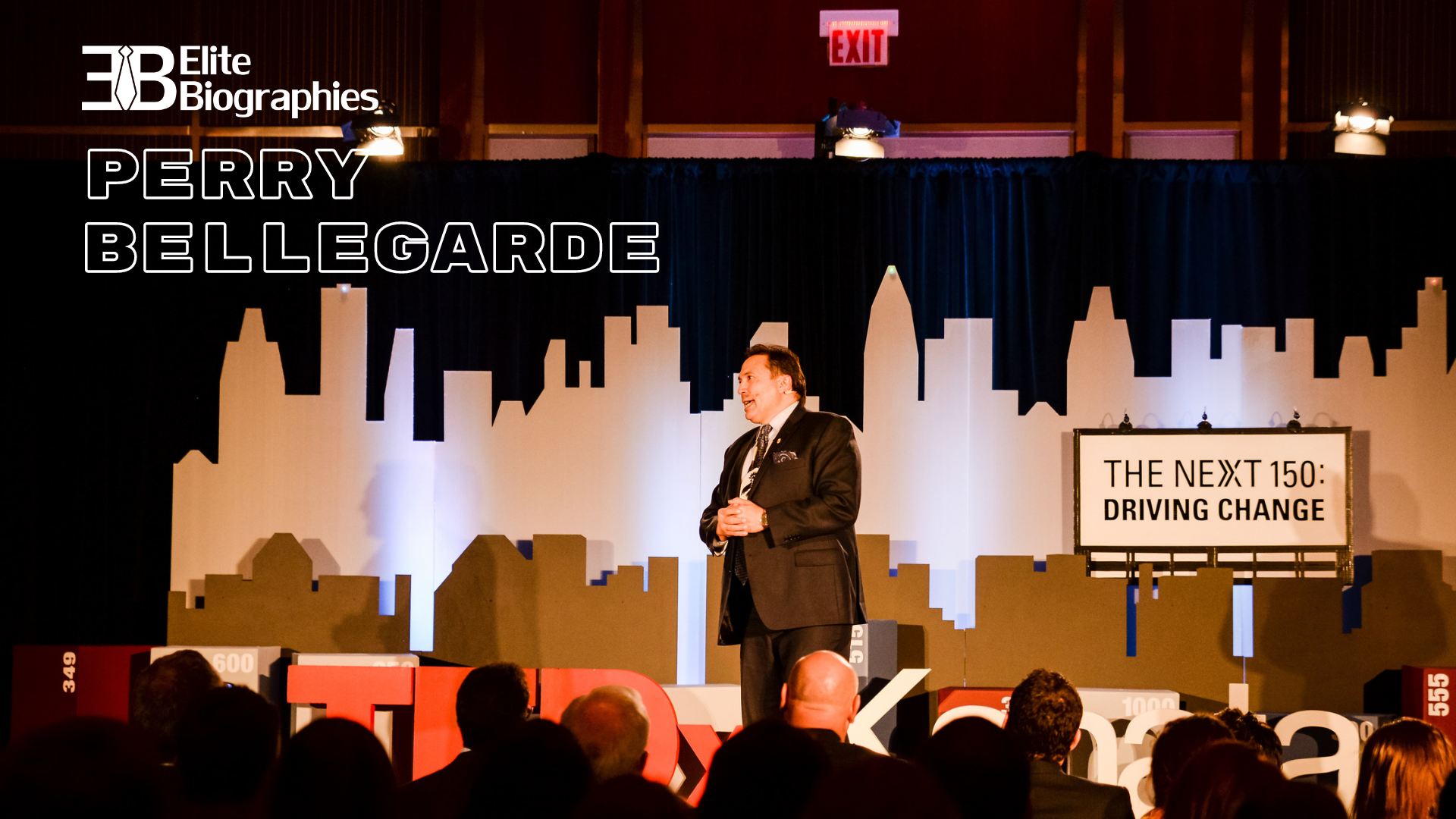
Perry Bellegarde was born on August 29, 1962, in Fort Qu’Appelle, Saskatchewan. He grew up on the Little Black Bear First Nation in Treaty 4 territory, a very small tight-knit community. As a young man, he felt a strong connection to his culture, traditions, and values. His upbringing and guidance from First Nations Elders inspired his commitment to leadership and service.
As a child and teen, Bellegarde attended elementary and secondary schools in the nearby towns of Goodeve and Balcarres. After high school, he enrolled in Saskatchewan Federated Indian College, now known as the First Nations University of Canada. He later earned a degree in business administration at University of Regina in 1984. After finishing his studies, he started his career as a director of personnel for the Saskatchewan Indian Institute of Technologies. That role helped him gain experience in administration and leadership before entering public service.

Career
Perry Bellegarde entered the world of politics and leadership in the 1980s when he got involved with tribal governance. He was elected to the Touchwood-File Hills-Qu’Appelle Tribal Council and later became president of the council. During his time as president, he worked on projects for improving services and governance for First Nations communities.
In 1998, Bellegarde was elected Grand Chief of the Federation of Saskatchewan Indian Nations. The Federation was a major political organization representing First Nations in the province. This role also helped him become a regional leader within the Assembly of First Nations, increasing his influence in national Indigenous affairs. He later became the Chief of the Little Black Bear First Nation and Saskatchewan Regional Chief for the Assembly of First Nations.
In 2014, Bellegarde became National Chief of the Assembly of First National, the national organization that represents First Nations governments within Canada. From 2014 to 2021, he advocated for policies aimed at improving housing, education, healthcare, and infrastructure in First Nations communities. He also worked with federal and international partners to promote reconciliation, protect Indigenous languages, and advance recognition of Indigenous rights in Canada.
After his time as National Chief, Bellegarde continued contributing to Indigenous leadership and governance through advisory roles and board positions with various organizations and institutions.

Net Worth
Perry Bellegarde’s net worth is not publicly disclosed.

Achievement
 Elected National Chief of the Assembly of First Nations in 2014 and re-elected in 2018, serving until 2021 while representing First Nations leaders and communities in Canada.
Awarded the Saskatchewan Order of Merit in 2018, one of the province’s highest honours, recognizing his leadership and service to Indigenous communities.
Received the Queen Elizabeth II Golden Jubilee Medal and the Queen Elizabeth II Diamond Jubilee Medal for his contributions to public service and Indigenous advocacy.
Honoured with the Saskatchewan Centennial Medal and the Canada 125 Medal for his leadership and long-standing dedication to community development.
Received honorary doctorates from institutions including Queen’s University and Lakehead University in recognition of his work advancing Indigenous governance and reconciliation.
Named “Nation Builder of the Year” by the Empire Club of Canada in 2021 for his efforts to promote dialogue and cooperation between First Nations and governments.
Appointed Honorary President of the Royal Canadian Geographical Society in 2021, acknowledging his contributions to national leadership and public engagement.
Received an Honorary Doctorate in Laws on June 2, 2022, from Lakehead University.
Elected National Chief of the Assembly of First Nations in 2014 and re-elected in 2018, serving until 2021 while representing First Nations leaders and communities in Canada.
Awarded the Saskatchewan Order of Merit in 2018, one of the province’s highest honours, recognizing his leadership and service to Indigenous communities.
Received the Queen Elizabeth II Golden Jubilee Medal and the Queen Elizabeth II Diamond Jubilee Medal for his contributions to public service and Indigenous advocacy.
Honoured with the Saskatchewan Centennial Medal and the Canada 125 Medal for his leadership and long-standing dedication to community development.
Received honorary doctorates from institutions including Queen’s University and Lakehead University in recognition of his work advancing Indigenous governance and reconciliation.
Named “Nation Builder of the Year” by the Empire Club of Canada in 2021 for his efforts to promote dialogue and cooperation between First Nations and governments.
Appointed Honorary President of the Royal Canadian Geographical Society in 2021, acknowledging his contributions to national leadership and public engagement.
Received an Honorary Doctorate in Laws on June 2, 2022, from Lakehead University.
Elite Biographies Features


Related Bios

G. Scott Paterson
G. Scott Paterson is a technology and media venture capitalist based in Toronto, Ontario. He is known for transforming t...
Read More
Dr. Lisa Porter
Dr. Lisa Anne Porter is a Canadian cancer and cell biologist, academic leader, and research advocate known for her contr...
Read More
John Ruffolo
John Ruffolo is a Canadian investor. He is best known for helping build and scale some of the country’s most influenti...
Read More
Michael Sabia
Michael Sabia is a Canadian business leader and senior public servant. He has spent decades moving between government an...
Read More